General Contractor vs Specialist Trades: What Is Best for Your Renovation?
@johnathanutbm946
Choosing who should run your renovation is rarely a simple cost comparison. On paper, hiring separate specialists can look leaner. You speak directly to the electrician, the plumber, the plasterer, the joiner, and you avoid the margin a General Contractor adds. In practice, plenty of projects unravel in the gaps between those trades. One finishes late, another cannot start, materials are delivered to the wrong place, and suddenly a job that looked efficient drags on for weeks.
That is why this decision matters so much. The best setup depends on the size of the project, the age of the property, the level of finish you expect, your appetite for managing people, and how much risk sits beneath the surface. A kitchen refit in a modern house is one thing. Opening up walls in a Victorian terrace, dealing with tired electrics, uneven floors, and hidden damp is another.
For homeowners planning Property Renovation Hull projects, this choice often shapes the whole experience. It affects budget control, timeline reliability, accountability, and even the quality of the finished detail. The same goes for landlords and commercial owners dealing with ongoing property maintenance in Hull, where speed and coordination can matter as much as the workmanship itself.
The real difference between a General Contractor and specialist trades
A General Contractor manages the full job. That usually means planning the sequence of works, booking trades, arranging deliveries, dealing with site issues, monitoring quality, and acting as the main point of contact. Depending on the company, they may use a core in-house team for some trades and subcontract others they trust.
Specialist trades are individual experts hired separately for their own discipline. You might bring in a structural builder for knock-through work, then a plumber, then an electrician, then a plasterer, then a decorator. Each one handles their part, but unless one person is explicitly managing the whole programme, coordination falls to the client.
This sounds straightforward until the trades overlap. The electrician needs walls opened before first fix. The plasterer wants cables clipped properly and pipe routes finalised. The kitchen fitter cannot template stone worktops until units are fully level and fixed. If the flooring arrives before the plaster dries, you have another problem. None of this is dramatic, but it is where time and money often leak away.
In a well-run renovation, sequencing is half the battle. The workmanship can be excellent, but if the trades are not lined up correctly, the project still suffers.
When a General Contractor earns their keep
There is a reason experienced clients, developers, and busy homeowners often choose a General Contractor for anything beyond minor works. The value is not only in labour. It is in reducing friction.
A good contractor sees dependencies before they become delays. They know the plumber cannot rough in pipes until final kitchen drawings are signed off. They know old floorboards lifted for rewiring may reveal joist repairs. They know a plaster finish can be spoiled by poor preparation done two trades earlier. This sort of foresight is difficult to price at the quoting stage, but it has real value once work starts.
The other major advantage is accountability. If you hire six separate trades and the finish around a new door opening is poor, each person can point elsewhere. The builder blames the plasterer, the plasterer blames the joiner, the joiner blames the opening size. With a General Contractor, that chain is shorter. One firm owns the outcome.
This becomes even more valuable in occupied homes. Renovating while living in the property creates a different kind of pressure. Access has to be managed. Dust protection matters. Temporary water or power shutdowns need notice. Waste needs clearing before it becomes a hazard. Homeowners usually underestimate how draining it is to coordinate all this while working, caring for children, or dealing with normal life.
I have seen projects where the savings from self-managing trades disappeared into small but constant setbacks. A day lost waiting for materials. Another day because a chase was cut in the wrong place. Two more days because the bathroom fitter arrived before tiling was ready. No single delay felt catastrophic, yet the total overrun was nearly three weeks.
When specialist trades make more sense
That does not mean a General Contractor is always the right answer. There are jobs where hiring specialists directly is the sharper move.
If the work is tightly defined and limited to one or two trades, specialist hiring can be more cost effective and perfectly manageable. Replacing a boiler, rewiring a flat, fitting bespoke wardrobes, or replastering a single room usually does not require a full project manager. In those cases, a specialist can price accurately, move quickly, and give you direct technical input.
It also works well when the client is experienced. Some homeowners are excellent organisers. They understand lead times, know how to read a quote, keep a written scope, confirm dates, and challenge unclear allowances before work starts. For them, managing specialists can be a sensible way to maintain control and shave overhead from the budget.
There is another angle here, too. Certain specialist finishes genuinely benefit from direct appointment. If you are commissioning heritage joinery, microcement, stone restoration, or high-spec lighting control systems, you may want a direct relationship with the expert doing the work. That can improve communication and reduce the chance of detail being lost through layers of management.
Still, this approach works best when the project boundaries are clean. The messier the job, the more coordination starts to outweigh the theoretical saving.
The hidden cost of doing it yourself
Clients often focus on headline quotes and miss the cost of management. Not just money, but attention. A renovation asks hundreds of small decisions from you, and those decisions do not arrive in a neat order.

One morning, you are confirming socket positions. By lunchtime, you are deciding whether to replace subfloor boards discovered to be rotten near the chimney breast. Later the same day, the plumber wants to know if the vanity unit is wall-hung or floor-standing because pipework routes differ. These are not optional choices. If you are unavailable or uncertain, progress slows.
Self-managing specialist trades tends to be cheapest when everything goes right. The problem is that renovation work, chmyorkshireltd.co.uk General Contractor especially in older housing stock, rarely follows a clean script. Uneven walls, dated pipework, ceilings out of level by 20 mm, timber that looked sound until opened up, old extensions built to inconsistent standards, these are everyday findings, not freak events.
With a competent General Contractor, many of those issues are absorbed into the normal running of the site. Without one, they come directly to you, often with urgency attached.
That is why the cheapest quote on day one is not always the cheapest project by handover.
Budget clarity matters more than headline price
A fair comparison needs more than two total figures on paper. You need to know what is included, what is excluded, and where allowances are vague.
A General Contractor might appear 10 to 20 percent higher than the sum of separate trade quotes. Sometimes that gap is real margin. Sometimes it is simply more honest pricing because the contractor has included waste removal, temporary protection, fixings, making good, site supervision, and snagging time that specialists have left out or assumed others will cover.
By contrast, separate trade quotes can look attractive because each one is narrow. The electrician prices electrics, not the boxing-in afterward. The plumber prices pipework, not patch repairs to walls. The tiler prices tiling, not levelling a poor substrate unless specifically asked. If the scope is not tightly written, those omissions only appear later.
A practical way to judge value is to look at who is carrying the risk. If the contractor has priced to manage sequencing, defects, and coordination, they are carrying more risk. If you hire individual trades and manage them yourself, more risk sits with you, whether you realise it or not.
A quick way to decide
If you are weighing both routes, ask yourself these five questions:
- Is the project likely to involve three or more trades overlapping in sequence?
- Am I comfortable making site decisions quickly and consistently?
- If hidden issues appear, do I know how to assess quotes for remedial work?
- Do I have time to chase schedules, deliveries, and snags during working hours?
- If something goes wrong, do I want one point of accountability or several?
If most answers push toward complexity, limited time, or low tolerance for risk, a General Contractor is usually the safer choice.
Renovation type changes the answer
Not all projects place the same demands on management. The structure of the work matters.

A cosmetic refresh is usually the easiest to split among specialists. Decorating, flooring, simple kitchen swaps, and straightforward bathroom replacements can often be managed in separate packages if the existing services are sound and the design does not require structural changes.
Once you start altering layouts, the logic changes. Knock-throughs, steel installation, relocating bathrooms, rewiring older properties, underfloor heating, changing windows and doors during internal works, these all introduce dependencies. One delay ripples into the next trade. A General Contractor becomes more valuable because timing and responsibility are harder to separate.
Extensions are another category where coordination matters. Groundworks, drainage, shell construction, roofing, glazing, first fix, plastering, second fix, external making good, and Building Control sign-offs all need to land in the right order. You can self-manage an extension, but you need strong administration, regular site presence, and enough experience to spot trouble early.
Older homes deserve special mention. In many parts of Hull and the wider East Yorkshire area, older properties can present the usual mix of solid walls, historic alterations, patch repairs from previous owners, and services installed across different decades. That is where Property Renovation Hull work often stops being a tidy set of trades and starts becoming a chain of judgment calls. Not every issue is serious, but plenty require someone on site who knows what can be solved immediately and what needs a deeper look.
Quality control is not just about craftsmanship
People naturally assume quality comes down to how skilled each trade is. That is only part of it. Quality also depends on standards being consistent across the whole job.
A brilliant tiler cannot completely rescue poor substrate preparation. A careful decorator cannot hide sloppy plastering under certain light. A skilled kitchen fitter still needs walls close enough to true for units and fillers to sit properly. The finish people are often judged hardest, yet many defects begin earlier.
This is where a strong contractor earns trust. They inspect the work before the next trade arrives. They reject substandard prep instead of hoping the next person can disguise it. They manage tolerances. They keep the project moving without allowing speed to lower the standard.
When clients appoint separate specialists, this policing role often falls through the cracks. Each trade sees only their patch. Very few will volunteer to redo another trade's work unless paid for it. Even fewer want the argument.
Communication can make or break the job
On paper, direct access to each specialist sounds like better communication. Sometimes it is. More often, it creates too many channels.
Imagine asking the electrician about pendant positions, the plumber about radiator sizing, the joiner about skirting profiles, the plasterer about drying time, and the decorator about paint systems, all while trying to keep everyone aligned with the same schedule. It is manageable on a small job. It gets tiring quickly on anything substantial.
A General Contractor simplifies that. Not because the client should be kept in the dark, but because someone translates decisions into site action. That matters when changes happen midstream. A late choice to move an island, add wall lights, or switch from radiator to underfloor heating can affect several trades at once. One person needs to update the whole chain.
The best contractors do this quietly. You do not see every adjustment because they are catching issues before they reach you.
Where specialist hiring often goes wrong
Most problems do not come from bad intent. They come from assumptions.
One trade assumes another will protect finished surfaces. Someone assumes waste removal is included. A delivery arrives, but nobody is available to receive it. The plaster dries slower than expected because the weather turns damp. The kitchen supplier sends damaged panels and the fitter loses two days. The decorator books another client and cannot return when the room is finally ready.
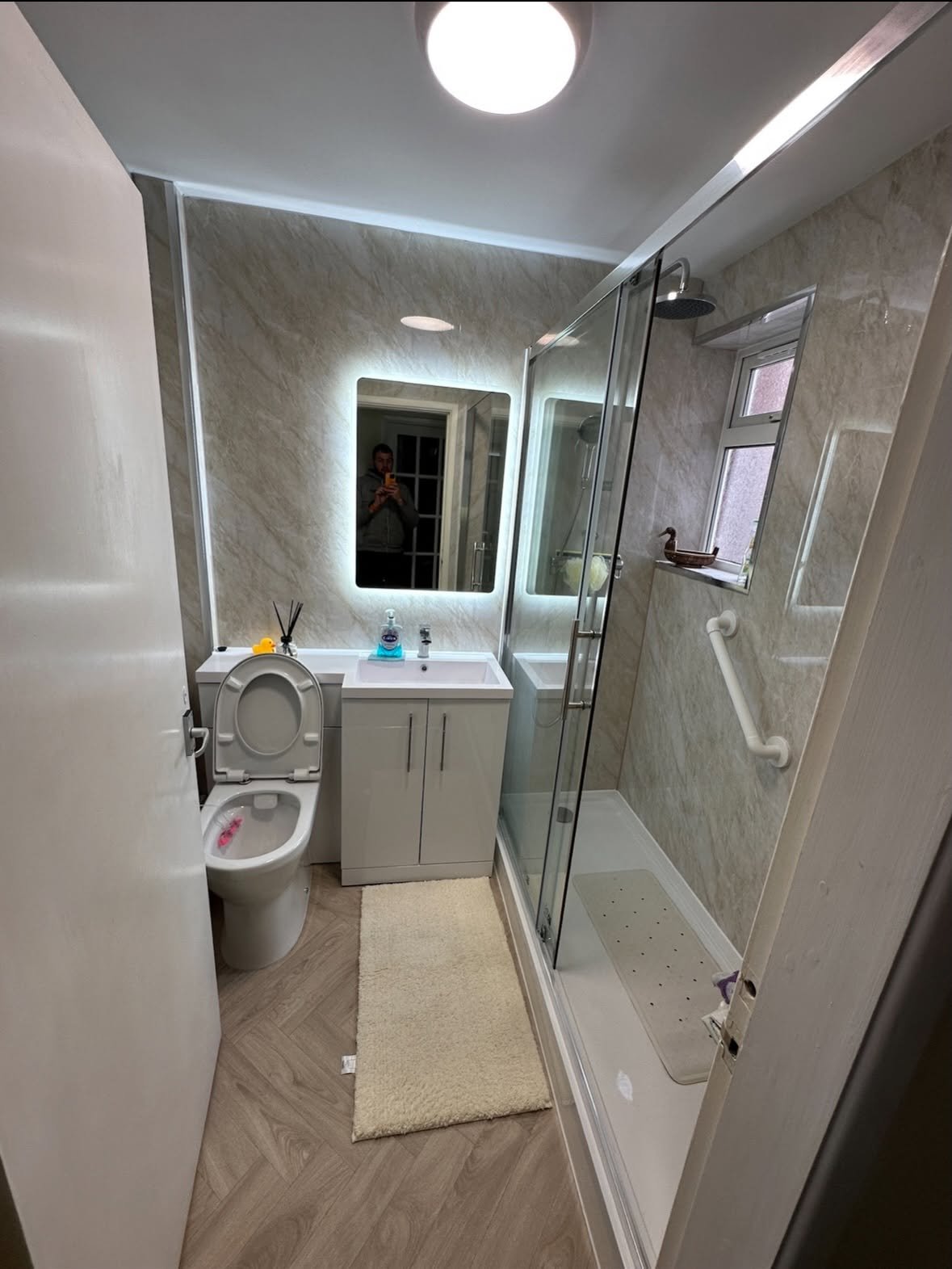
None of these problems are unusual. They are ordinary site realities. The mistake is pretending they will not happen.
That is why I advise clients to think less about the ideal scenario and more about who will deal with the ordinary mess. A General Contractor is not paying for perfection. It is paying for organised response.
There is a middle ground that often works well
This does not have to be an all-or-nothing decision. Some of the smoothest projects use a hybrid model.
A homeowner might appoint a General Contractor for the building envelope, structural work, first fix services, plastering, and all core coordination. Then they directly appoint a kitchen supplier, bespoke joiner, or specialist flooring installer. That can preserve the benefits of central management while giving the client closer involvement in elements where design detail matters most.
The key is clarity around interfaces. Everyone needs to know where one package ends and another begins. If the kitchen company is supplying and fitting, who prepares the walls? Who confirms final floor levels? Who handles service positions and last-minute manufacturer changes? These details sound minor until they are not.
A hybrid approach can be excellent, but only if the lines are written down and agreed in advance.
How to compare both options properly
When you are reviewing quotes, resist the urge to compare totals first. Compare scopes.
Look at programme length, payment structure, supervision, waste handling, making good, snagging, materials responsibility, and exclusions. Ask how variations are priced. Ask who orders what. Ask who is responsible if one trade damages another trade's work. Ask how communication will happen and who will be on site regularly.
Here are the points I would pay closest attention to before appointing anyone:
- Scope detail, including protection, prep, disposal, and making good.
- Programme realism, not just the shortest promised duration.
- Accountability for sequencing, defects, and missed handovers between trades.
- Variation process, so extra costs are agreed before the work happens.
- Site supervision, because good jobs are rarely good by accident.
If a quote is light on detail, it is not necessarily cheap. It may simply be incomplete.
The local factor in Hull properties
Local experience counts more than many clients expect. A contractor or specialist who works regularly in Hull will usually have a better feel for the local housing stock, supplier reliability, access constraints, parking headaches, weather delays, and the kind of defects that turn up repeatedly in certain property types.
That matters for both renovation and ongoing maintenance. In Property Maintenance HUll work, response time and practical judgment can matter more than polished sales language. A team that knows how local buildings behave, and which merchants can deliver what is needed quickly, often saves more time than a slightly lower rate from someone less familiar with the area.
The same goes for compliance and coordination with local inspectors or structural engineers where needed. Nobody needs theatrics. They need people who know the process and keep the job moving.
So what is best for your renovation?
The honest answer is that both models can work. The better question is which one fits the complexity of your project and the way you want to live through it.
If your renovation is small, clearly defined, and limited in scope, specialist trades may offer good value and more direct control. If you are confident reading quotes, managing schedules, and making quick decisions, you can do well that way.
If your project touches multiple trades, includes structural change, carries unknowns, or needs to run to a predictable timeline, a General Contractor is usually the wiser appointment. You are not just buying labour. You are buying coordination, continuity, risk management, and one place to turn when reality refuses to follow the plan.
Most renovation stress does not come from the visible work. It comes from what happens between the trades. Choose the setup that handles those spaces properly, and the whole project tends to go better.
CHM Yorkshire Ltd
Hull
HU9 5BU
Tel: 01482 455159
Website: https://www.chmyorkshireltd.co.uk